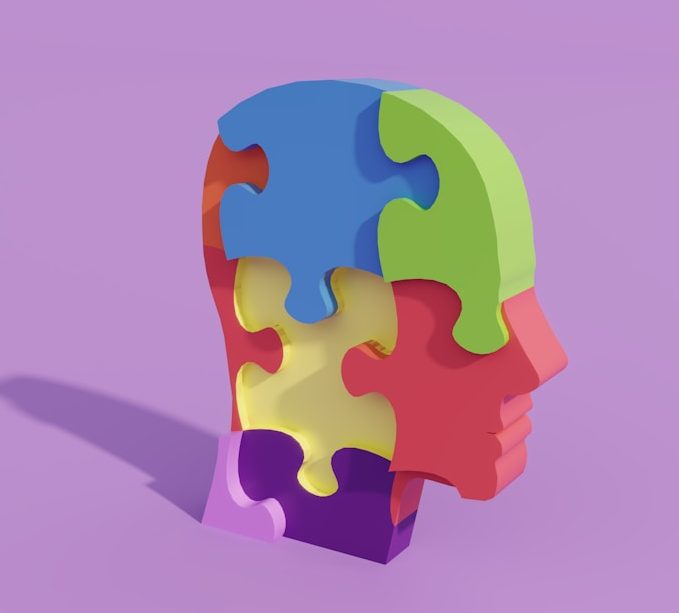
What is Dyslexia?

Dyslexia is a learning difficulty that mainly affects accurate and fluent reading, writing and spelling.  Learners may also struggle to process and remember information.  This can affect the development of literacy skills, as well as other areas such as organization, numeracy and concentration. 

It is important to note that dyslexia brings all sorts of positives such as the ability to 'think outside the box', creativity and excellent social communication skills. There is no connection between intelligence and a dyslexic profile; instead, learners need to find the right support to enable them to break down some of the barriers they face, and to achieve their best. 

Useful Links: 


British Dyslexia Assocation

https://www.bdadyslexia.org.uk/


Helen Arkell Dyslexia Charity

https://helenarkell.org.uk/


The new Delphi Definition of Dyslexia


This new definition of dyslexia was published in 2025: 
* Dyslexia is a set of processing difficulties that affect the acquisition of reading and spelling.

* In dyslexia, some or all aspects of literacy attainment are weak in relation to age, standard teaching and instruction, and level of other attainments.

* Across languages and age groups, difficulties in reading fluency and spelling are a key marker of dyslexia.

* Dyslexic difficulties exist on a continuum and can be experienced to various degrees of severity.

* The nature and developmental trajectory of dyslexia depends on multiple genetic and environmental influences.

* Dyslexia can affect the acquisition of other skills, such as mathematics, reading comprehension or learning another language.

* The most commonly observed cognitive impairment in dyslexia is a difficulty in phonological processing (i.e. in phonological awareness, phonological processing speed or phonological memory). However, phonological difficulties do not fully explain the variability that is observed.

* Working memory, processing speed and orthographic skills can contribute to the impact of dyslexia.

* Dyslexia frequently co-occurs with one or more other developmental difficulties, including developmental language disorder, dyscalculia, ADHD, and developmental coordination disorder.

©Copyright Sarah Stokes Learning Support 2026. All rights reserved.

We need your consent to load the translations

We use a third-party service to translate the website content that may collect data about your activity. Please review the details in the privacy policy and accept the service to view the translations.